
Categories: Beauty Trends, Wellness | Tags: trends, industry, skincare, serums
The Evolution of the Facial Serum: From Single-Target to Holistic Hybrids
The skincare aisle is undergoing a quiet but significant transformation. Gone are the days of the singular hero ingredient, the lone vitamin C or hyaluronic acid serum that promised one specific result. Today, a new category is rising to prominence: the hybrid serum. These multi-targeting formulas, which blend peptides, humectants, antioxidants, and barrier-supporting actives, are redefining what consumers expect from a single product. Industry analysts suggest this shift is driven by a demand for efficacy, simplicity, and a more holistic approach to skin health that addresses multiple concerns simultaneously.
For years, the “layering” method was gospel in skincare circles. The routine involved a sequence of specialized products, each with a distinct purpose. However, a recent report by the Global Wellness Institute indicates a growing consumer fatigue with complex, ten-step routines. The report notes a 22% increase in consumer searches for “multi-tasking skincare” and “simplified routine” over the past 18 months. People are seeking streamlined regimens that deliver comprehensive results without the time commitment or the risk of ingredient conflict. The hybrid serum answers this call directly.
Dermatologists are observing this trend with measured interest. Dr. Alanna Chen, a cosmetic dermatologist based in New York, comments, “The science of formulation has advanced to a point where we can combine ingredients that work synergistically. A well-designed hybrid serum that pairs, for instance, hydrating hyaluronic acid with barrier-repairing peptides and brightening niacinamide can be more effective for overall skin quality than using three separate, potentially incompatible products.” This synergy is key. It’s not just about throwing popular ingredients into a bottle; it’s about creating a stable, bioavailable formula where each component enhances the others.
Not everyone agrees, though. Some experts argue that this blending of actives can dilute their potency or make it difficult for consumers to pinpoint which ingredient is causing a reaction. “There is a risk of ‘jack of all trades, master of none,'” cautions Dr. Marcus Thorne, a research chemist specializing in topical formulations. “For someone with a singular, severe concern like deep-set wrinkles or stubborn hyperpigmentation, a targeted, high-potency single-ingredient treatment may still be the clinical gold standard. The hybrid approach is best for maintenance and addressing a constellation of mild-to-moderate concerns.”
Where Modern Formulations Fit In
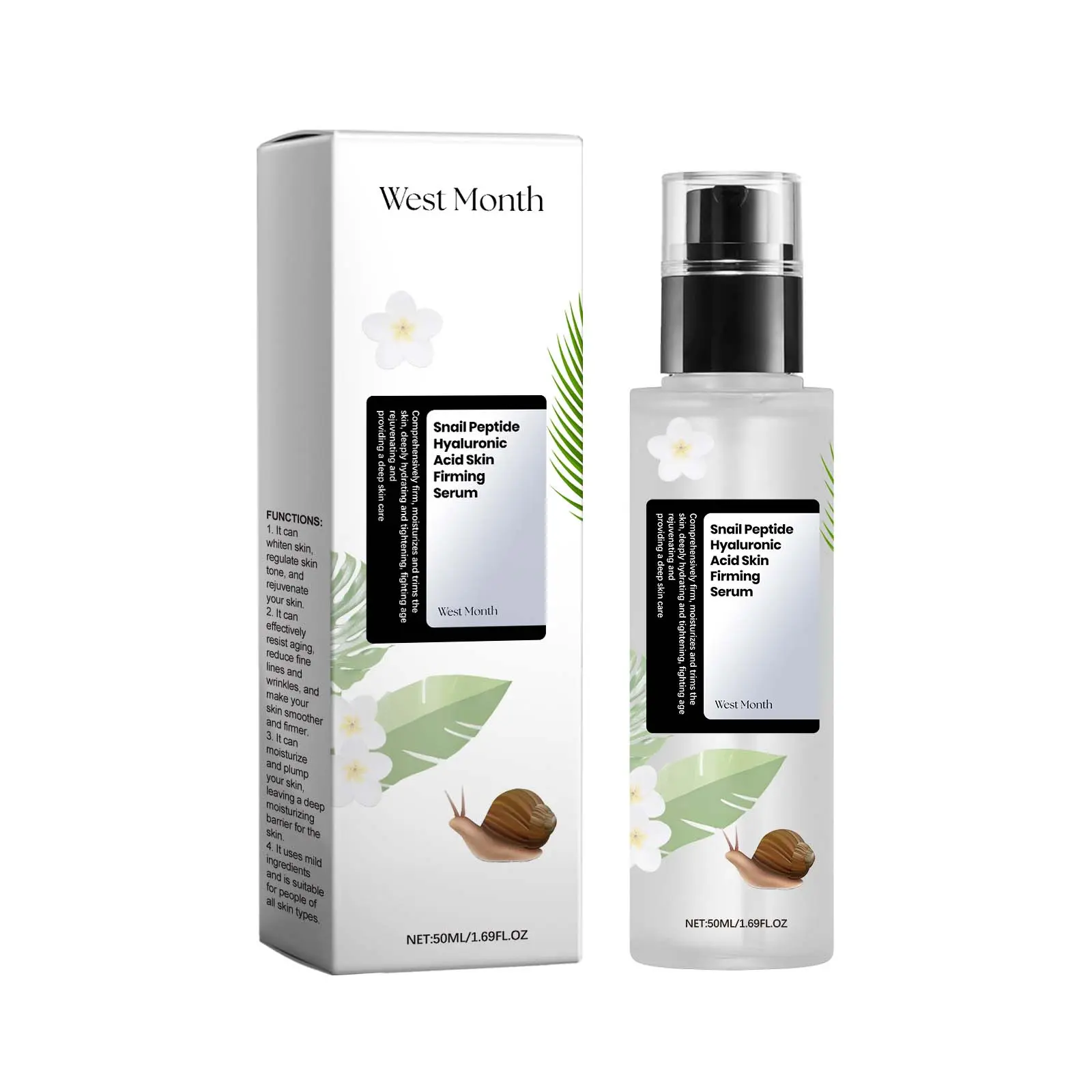
This is where products like the West&Month Snail Peptide Hyaluronic Acid Serum enter the conversation. It exemplifies the hybrid trend by combining three distinct categories of actives: snail mucin filtrate for repair and soothing, peptides for signaling firmness and elasticity, and hyaluronic acid for multi-level hydration. The inclusion of niacinamide adds a fourth dimension, targeting tone and barrier function. This type of formulation is designed for the consumer who wants to hydrate, firm, and even out skin tone without managing a cabinet full of serums. It reflects a brand philosophy centered on providing multifaceted solutions that cater to the skin’s interconnected needs—moisture, structure, and resilience—rather than isolating a single issue.
The appeal of such formulas extends beyond mere convenience. In an economic climate where consumers are more mindful of spending, a product that credibly claims to perform several functions offers perceived higher value. According to market data from Spate, search interest in “peptides” has grown by over 65% year-over-year, often in conjunction with other powerhouse ingredients like hyaluronic acid and ceramides. This indicates that the informed skincare user is actively looking for these intelligent combinations.
What This Means for Your Routine
For the average consumer, this trend signals a move towards intentional simplicity. It encourages a shift from asking “What single problem do I fix tonight?” to “What is the overall health and appearance I want for my skin?” The practical takeaway is to evaluate your skincare lineup for redundancy and seek out well-researched hybrid formulas that align with your primary goals.
When considering a hybrid serum, pay close attention to the order of ingredients and the brand’s transparency about concentrations where possible. Look for formulations that explain the synergy—why these particular ingredients are paired together. It’s also wise to introduce one new hybrid product at a time to monitor your skin’s response.
The rise of the hybrid serum is more than a passing fad; it’s a response to a fundamental change in how we view skincare. It’s less about a complex ritual and more about intelligent, efficient design. As formulations continue to evolve, the future likely holds even more sophisticated blends that push the boundaries of what one product can achieve, making professional-level skincare results more accessible and manageable in everyday life.

