
Why Botanical Body Care Is Moving Beyond Face Serums
For years, the most advanced botanical ingredients were reserved for facial serums and creams, leaving body care in a utilitarian lane dominated by simple cleansers and heavy fragrances. That landscape is undergoing a significant transformation. Industry observers are noting a pronounced migration of sophisticated, plant-based formulations from the face to the body, a shift driven by a consumer base that now views skin health as a full-body commitment.
This isn’t merely about adding a dash of lavender oil to a shower gel. It’s about leveraging specific botanicals with documented properties to address complex skin concerns like persistent body acne, eczema, and dryness. According to a recent market analysis from Beauty Insights Weekly, sales of body care products featuring “actives” or “treatment-grade botanicals” have grown by over 40% in the last two years, outpacing the broader personal care category. The report suggests this points to a “democratization of skincare,” where informed consumers expect the same level of ingredient integrity and targeted benefits from head to toe.
Dermatologists are seeing this shift in their practices. Dr. Anya Sharma, a board-certified dermatologist, notes, “Patients are increasingly asking about body-specific concerns with the same detail they apply to their facial routines. They’re seeking out ingredients like salicylic acid for keratosis pilaris, ceramides for barrier repair on the body, and anti-inflammatory botanicals for conditions like bacne (back acne). The market is responding with more nuanced options.”
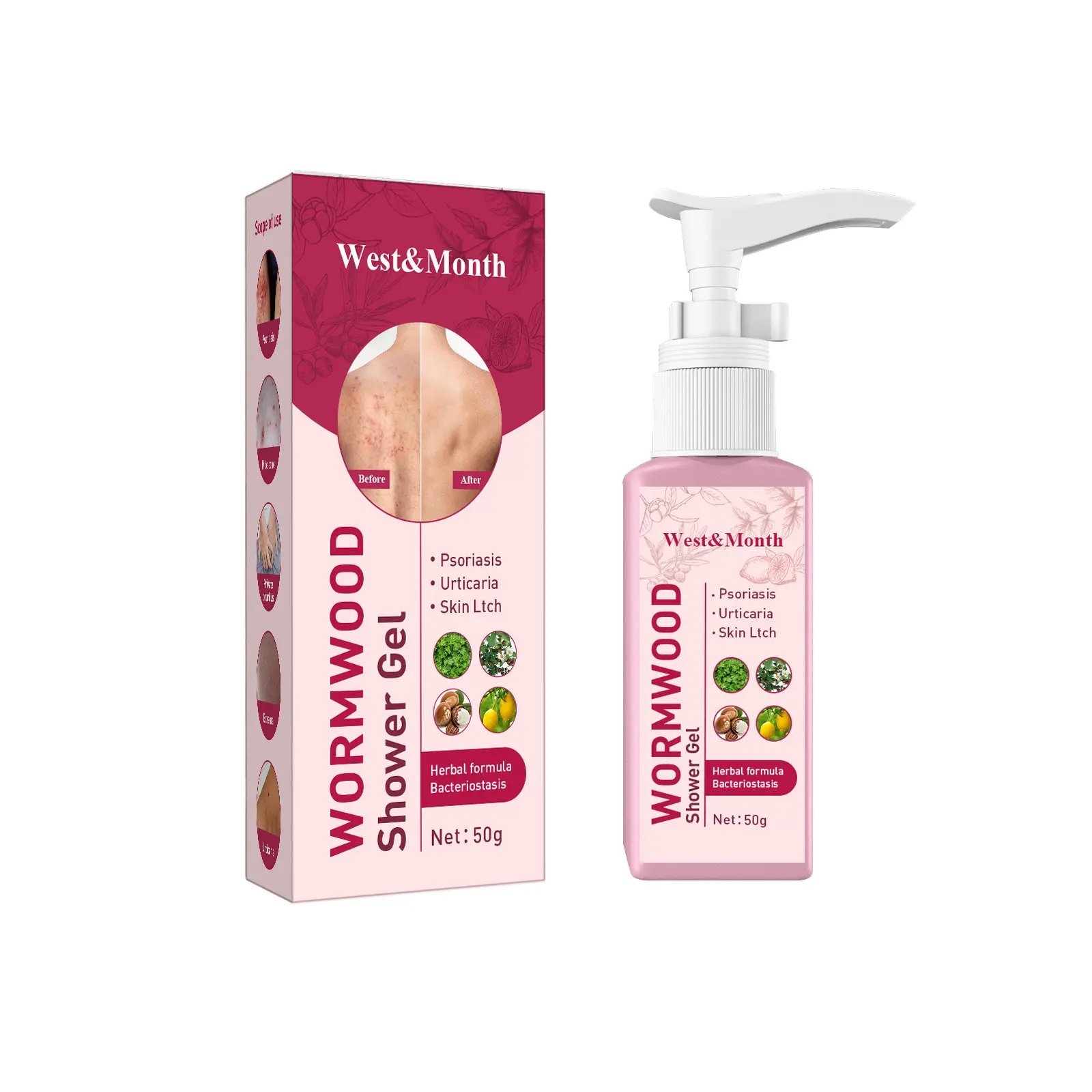
Enter ingredients like wormwood, a botanical once more common in herbalism than body wash aisles. Known scientifically as Artemisia, wormwood has a history of use for its purifying and soothing properties. In modern skincare, extracts from the plant are being examined for their potential anti-inflammatory and antimicrobial benefits, which could make them a compelling, gentle alternative for managing acne-prone skin on the body. Paired with other calming agents like golden chamomile extract, it represents the kind of thoughtful botanical pairing consumers are now seeking.
Brands are positioning themselves within this trend by highlighting these specialized formulations. Products such as the West&Month Wormwood Body Wash exemplify the movement. It bypasses generic “refreshing” claims to focus on a specific combination of wormwood leaf extract and golden chamomile, targeting the dual needs of cleansing acne-prone skin while attempting to maintain moisture—a common challenge with traditional acne washes that can be overly drying.
We also covered something similar in West&Month Firming Body Cream Review: My Honest Results.
Not everyone agrees, though. Some experts argue that the rush to botanical actives in rinse-off products like body wash has limitations. “The contact time is very short,” cautions cosmetic chemist Leo Tam. “While anti-inflammatory botanicals can provide a sensory benefit and some surface-level soothing, the primary job of a cleanser is to clean without stripping. The real innovation needs to be in the base formula—gentle surfactants and pH balance—with botanicals as supportive players, not miracle workers.” This perspective urges consumers to look at the entire ingredient list, not just the hero extracts.
What This Means for You
The expansion of botanical body care is ultimately a win for consumers, offering more choice and specificity. The takeaway is to apply the same scrutiny you would to a facial product. Look beyond the front label. Identify the key botanical ingredients and research their purported benefits. Consider your primary body skin concern—is it breakouts, dryness, sensitivity, or texture?—and seek out formulas that address it with a blend of effective cleansing agents and supporting botanical extracts designed to work in a rinse-off format.
This trend signals a move towards a more integrated and intentional approach to personal care. The body is no longer an afterthought but a central part of a holistic skincare philosophy, deserving of the same level of ingredient-focused attention that revolutionized facial regimens a decade ago. As this category continues to evolve, we can expect even more targeted solutions that bridge the gap between traditional herbal wisdom and contemporary skin science.

