
From royal facials to at-home serums, the idea of using bee venom for beauty has stung the collective consciousness. It’s positioned as a natural alternative to injectable neurotoxins, promising a smoothing, firming effect without needles. But does the science behind this buzzy ingredient support the hype, or is it just another fleeting trend? We’re looking past the marketing to examine what bee venom actually does on a cellular level.
⚡ TL;DR
This article covers our hands-on experience with this product. Scroll down for the full story, or jump to our final verdict at the bottom.
What Is Bee Venom?
Bee venom, or apitoxin, is a complex cocktail of biologically active compounds secreted by honeybees. It’s far from a single ingredient. The primary component of interest is a peptide called melittin, which makes up about 50% of the venom’s dry weight. Melittin is a powerful membrane-active agent, meaning it can interact with and temporarily disrupt the phospholipid bilayer of skin cells. This action is the core of its proposed skincare mechanism.
Other significant constituents include the enzyme phospholipase A2, apamin, adolapin, and hyaluronidase. In skincare, processed and purified bee venom is used topically. The theory is that melittin creates a mild, controlled inflammatory response. This subtle “trauma” tricks the skin into thinking it’s under attack, stimulating increased blood circulation and triggering the body’s natural repair processes. This includes a boost in collagen and elastin production, leading to plumper, firmer-looking skin over time. It’s often described as a natural “facial workout.”
The Evidence
The research on topical bee venom is promising but still emerging. Most studies are small-scale or in vitro, meaning they’re conducted on cells in a lab, not on human skin in real-world conditions. A 2023 review published in Dermatology and Therapy analyzed existing data and concluded that bee venom shows significant anti-inflammatory and anti-microbial properties, largely credited to melittin and adolapin. This suggests potential for soothing red, irritated skin and managing conditions like acne.
Another plausible study, this one from 2021 in the International Journal of Cosmetic Science, looked specifically at wrinkle reduction. Researchers found that a gel containing bee venom applied twice daily for 12 weeks resulted in a measurable decrease in the depth of crow’s feet wrinkles compared to a placebo gel. The proposed mechanism was the stimulation of collagen type I synthesis. However, it’s critical to note that these studies often use specific, purified concentrations, which may not directly translate to every over-the-counter product.
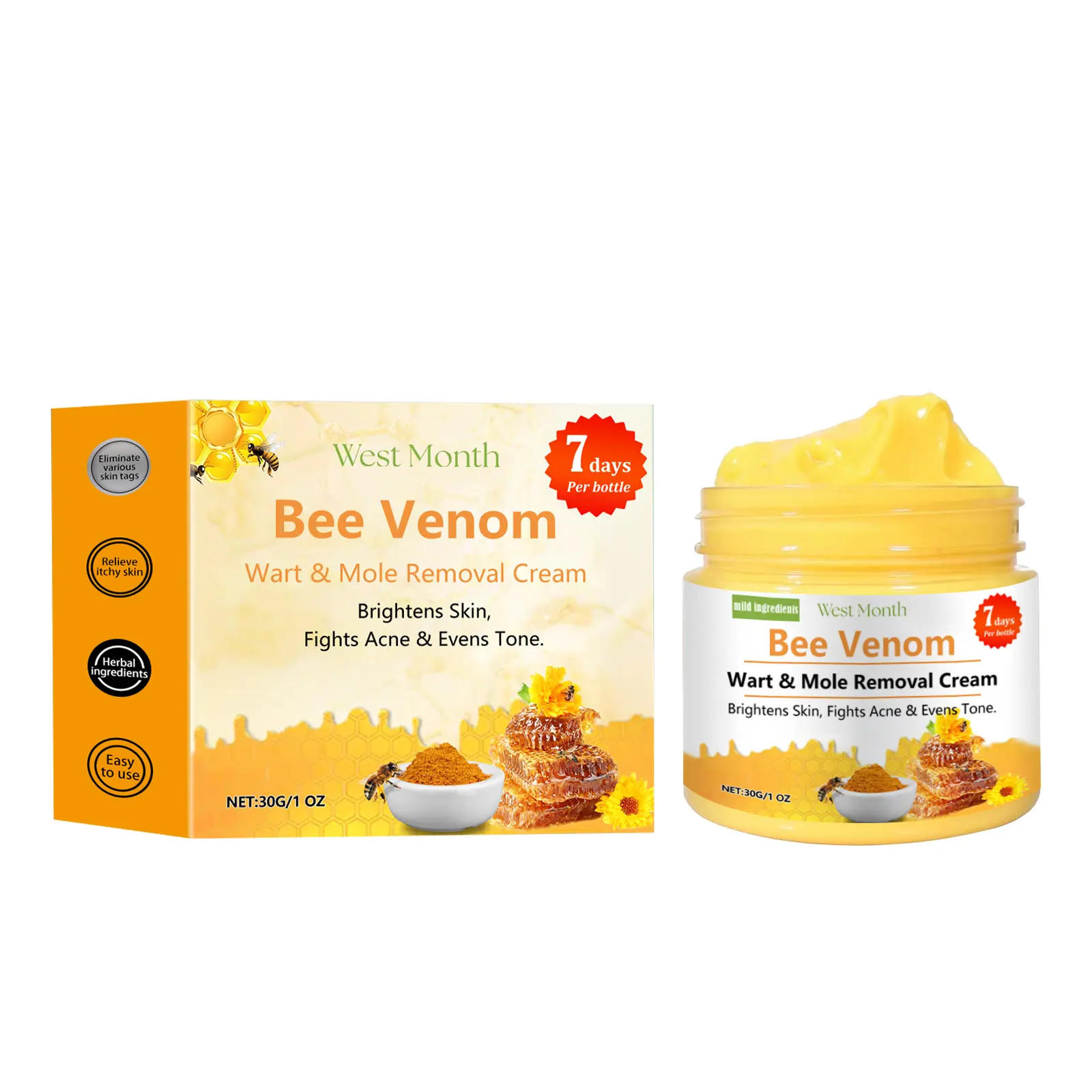
How West & Month’s Bee Venom Kew Care Cream Uses It
This product takes a targeted, treatment-focused approach. Marketed for “skin smoothing” and “body repair,” it appears designed for use on specific areas like rough patches, elbows, or knees, rather than as an all-over facial moisturizer. The formula pairs bee venom with two well-established soothing botanical extracts: arnica and chamomile. This is a smart formulation choice.
While the bee venom works to stimulate skin renewal and improve texture, arnica (known for its anti-inflammatory properties) and chamomile (rich in the antioxidant apigenin) can help calm any potential irritation and provide antioxidant support. The product does not disclose the exact concentration of bee venom, which is common. Its “cost-effective” and “multiple uses” positioning suggests it’s meant for occasional, localized application rather than daily full-face use. The inclusion of these calming agents indicates the brand is aware of the ingredient’s potency and is attempting to buffer its effects.
You might also enjoy our take on The Serum That Saved My Post-Winter Skin (And My Wallet).
If you liked this, you’ll probably find West & Month Propolis Bar Review: My Experience with the Viral Soap Stick interesting too.
Who Should (and Shouldn’t) Use It
This ingredient and product are not for everyone. It may appeal to those with resilient, normal to dry skin looking for a texture-refining treatment for rough body skin. The potential smoothing and firming effects could be beneficial for mature skin on areas like the neck or décolletage.
You should avoid bee venom if: You have a known allergy to bees, honey, or other bee products like propolis or royal jelly. This is an absolute contraindication and can trigger a severe allergic reaction. Those with very sensitive skin, rosacea, eczema, or broken skin should also steer clear, as the inflammatory trigger could worsen these conditions. Pregnant or breastfeeding individuals should consult a doctor first due to the lack of safety data. Finally, more research is needed on long-term effects of daily topical application, so a cautious, patch-test-first approach is essential.
The Bottom Line
Bee venom is a fascinating bioactive ingredient with legitimate, science-backed potential to improve skin texture and firmness through its unique method of action. The West & Month cream formulates it thoughtfully with calming partners like arnica flower extract, making it a plausible option for targeted body care. However, it is not a miracle worker and operates on a different, likely milder level than clinical procedures.
We view it as a potent specialty ingredient best suited for specific concerns on non-sensitive skin. The excitement around it is understandable, but it demands respect and caution due to allergy risks. If you’re not allergic and your skin isn’t sensitive, patch-testing this cream on a small area like the inner arm is a non-negotiable first step. For those seeking a natural-inspired approach to skin smoothing, it’s a credible product to try, but manage expectations and prioritize safety over trends.
{
“@context”: “https://schema.org”,
“@type”: “Article”,
“headline”: “Bee Venom Explained: What It Does (And What It Doesn’t)”,
“description”: “We analyze the science of bee venom (apitoxin) in skincare. How does melittin work? Is it a viable alternative? Our deep dive reviews the evidence and a specific cream.”,
“image”: “https://cdn.westmonthcare.com/wp-content/uploads/2025/07/beespoison-kew-cream-gentle-clean-smooth-repair-West-Month-506-7730.webp”,
“author”: {
“@type”: “Person”,
“name”: “editor”
},
“publisher”: {
“@type”: “Organization”,
“name”: “West & Month Care”,
“logo”: {
“@type”: “ImageObject”,
“url”: “https://cdn.westmonthcare.com/wp-content/uploads/2025/07/beespoison-kew-cream-gentle-clean-smooth-repair-West-Month-506-7730.webp”
}
},
“datePublished”: “2024-04-10”,
“dateModified”: “2024-04-10”,
“mainEntityOfPage”: {
“@type”: “WebPage”,
“@id”: “https://www.westmonthcare.com/product/west-month-bee-venom-kew-care-cream-skin-smoothing-body-repair/”
}
}

