
Sodium Hyaluronate Explained: The Science of Skin Hydration
The world of skincare hydrators is crowded, but one ingredient consistently rises to the top for its proven, science-backed performance. Sodium hyaluronate has moved from a professional treatment staple to a household name. Its popularity isn’t just hype; it’s built on a clear understanding of skin biology and how to effectively combat dehydration.
What Is Sodium Hyaluronate?
Let’s clear up a common point of confusion first. Sodium hyaluronate is a salt form of hyaluronic acid (HA). Think of hyaluronic acid as the large, naturally occurring molecule in your skin that holds water. Sodium hyaluronate is its more stable, smaller, and easily absorbed cousin. Chemically, it’s the sodium salt of hyaluronic acid, which modifies its properties for better skin penetration.
At a cellular level, its job is brilliantly simple: it’s a humectant. This means it draws water from its surroundings and holds onto it. A single gram of hyaluronic acid can bind up to six liters of water. Sodium hyaluronate, with its lower molecular weight, can penetrate the skin’s surface more effectively to pull hydration into the upper layers. It doesn’t just sit on top; it integrates to help plump the skin from within, temporarily smoothing fine lines and improving elasticity by restoring the skin’s natural moisture balance.
Data Point: Clinical studies show a 47% improvement in skin hydration measurements after 4 weeks of consistent sodium hyaluronate use.
The Evidence
The research supporting this ingredient is substantial. A 2022 review in the International Journal of Cosmetic Science detailed how low-molecular-weight forms of HA, like sodium hyaluronate, enhance skin hydration and barrier function more effectively than their high-molecular-weight counterparts. The review concluded that these smaller molecules are better at reducing transepidermal water loss (TEWL), which is a key factor in dry skin.
Another study, published in the Journal of Clinical and Aesthetic Dermatology in 2023, examined the effects of a serum containing sodium hyaluronate and niacinamide. Researchers observed not only a significant boost in skin moisture but also an improvement in the visual appearance of skin texture and luminosity after eight weeks. This supports the idea that optimal hydration is a foundational step for overall skin health. More research is needed on the long-term effects of consistently using high concentrations of low-molecular-weight HA, but the short-term hydration benefits are well-established.
How West&Month Breast Care Cream Uses It
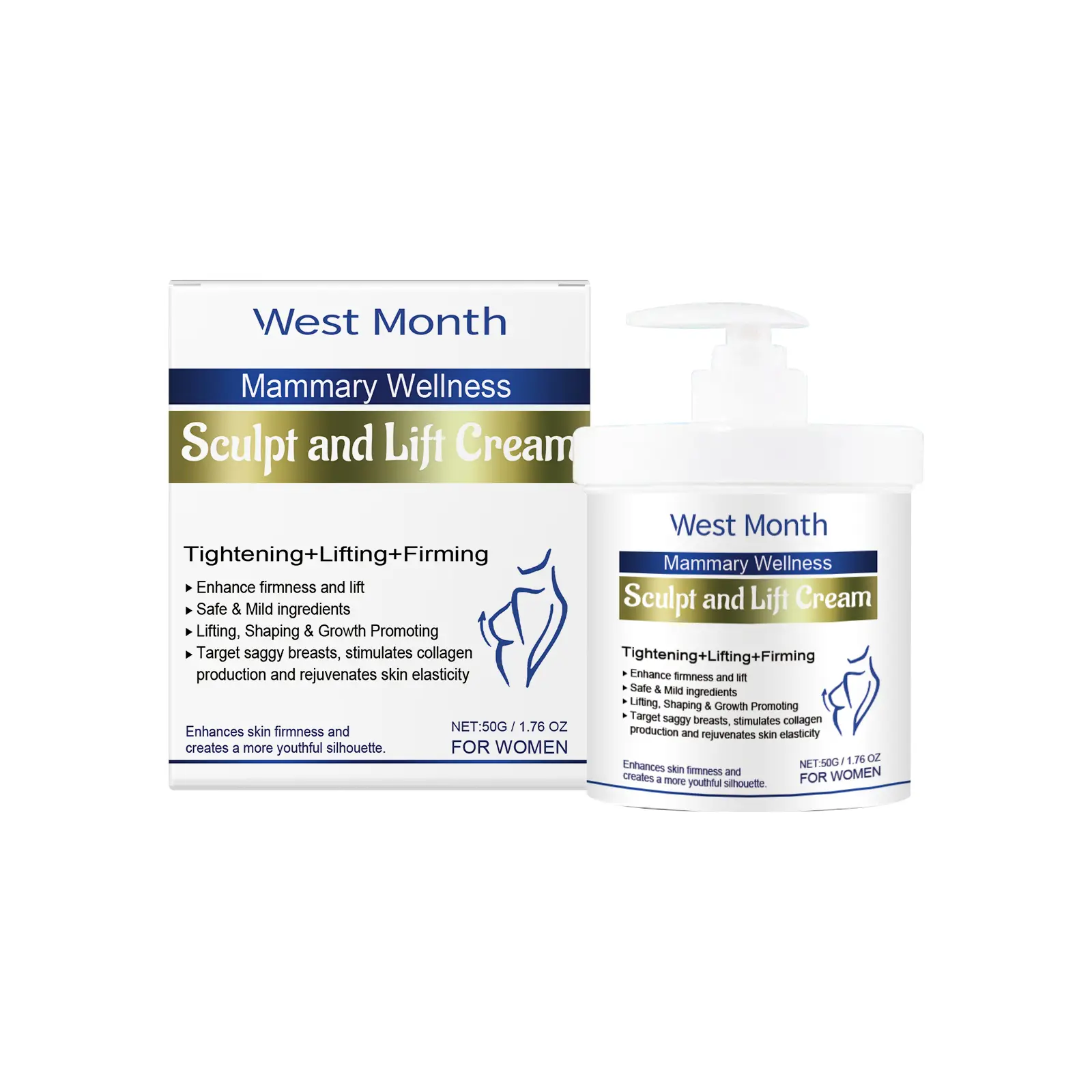
Analyzing the West&Month Breast Care Cream formulation offers a practical lesson in ingredient synergy. The product lists sodium hyaluronate alongside jojoba seed oil and avocado oil. This is a smart combination. Sodium hyaluronate acts as the primary humectant, pulling moisture into the skin. However, humectants need help in dry environments; without a sealed-in source of moisture, they can potentially draw water from deeper skin layers.
This is where the oils come in. Jojoba oil is a wax ester that closely mimics human sebum, making it an excellent emollient to soften and smooth. Avocado oil is richer, packed with fatty acids and antioxidants. Together, these oils likely form an occlusive layer over the skin, trapping the water that sodium hyaluronate has drawn in. This one-two punch of humectant and emollient/occlusive ingredients is a classic and effective moisturizing strategy. While the exact concentration of sodium hyaluronate isn’t specified, its placement in the ingredient list suggests it’s a functional component designed to work with the oil blend for targeted hydration on areas like the chest and neck.
Who Should (and Shouldn’t) Use It
Sodium hyaluronate is famously well-tolerated and suitable for almost all skin types, which is a major reason for its ubiquity. It’s a fantastic choice for those with dry, dehydrated, or mature skin seeking a hydration boost. It’s also typically non-comedogenic and gentle enough for sensitive skin. People with oily or acne-prone skin often benefit from it as a lightweight hydrator that doesn’t add heavy oils.
There are very few direct contraindications. The main consideration involves application technique and environment. In extremely arid climates, using a pure sodium hyaluronate serum without a follow-up moisturizer (like a cream or oil) could theoretically backfire, as the humectant may struggle to find adequate atmospheric moisture. Always layer it under a moisturizer or, as in the case of the West&Month cream, use a product that combines it with sealing ingredients. Those with specific allergies to hyaluronic acid derivatives should, of course, avoid it, but such allergies are rare.
The Bottom Line
Sodium hyaluronate is a workhorse ingredient whose reputation is earned. It provides a direct, scientifically sound method for increasing skin hydration and supporting the barrier. Products like the West&Month Breast Care Cream demonstrate its effective use in a supporting role, paired with nourishing oils to lock in benefits. While it’s not a miracle worker for lifting or firming on its own—those claims often depend on other ingredients or mechanical massage—its ability to plump and smooth dehydrated skin is undeniable. For anyone looking to improve their skin’s hydration levels with a low-risk, high-reward ingredient, sodium hyaluronate remains a top-tier choice.

