
SEO Title: Activated Charcoal in Skincare: A Deep Pore Detox or Overhyped Trend?
SEO Description: We break down the science of activated charcoal in cleansers like West&Month’s. Does it actually control oil and moisturize, or is it just marketing? Here’s the evidence.
Focus Keyword: activated charcoal cleanser science
Author Role: editor
Categories: Ingredient Science
Tags: ingredients, science, skincare science
⚡ TL;DR
This article covers our hands-on experience with this product. Scroll down for the full story, or jump to our final verdict at the bottom.
Why Charcoal is Everywhere in Skincare
Open any skincare aisle, and you’ll find black. From masks to cleansers, activated charcoal has become the go-to ingredient for brands promising a deep, purifying clean. Its dramatic visual appeal—turning products jet black—suggests a powerful, almost medical-grade detox. But is this ingredient a genuinely effective tool for managing oil and impurities, or are we just buying into the allure of its color? We’re looking past the marketing to see what charcoal actually does on a chemical level.
What Is Activated Charcoal?
At its core, activated charcoal is a fine, odorless black powder. It’s not the same as the charcoal from your barbecue. It’s typically made from carbon-rich materials like bamboo, coconut shells, or peat, which are heated to extremely high temperatures in the absence of oxygen. This “activation” process creates a vast network of microscopic pores and tunnels, massively increasing its surface area. Think of it as a molecular sponge with an incredible amount of nooks and crannies.
The primary mechanism of action is adsorption (with a ‘d’), not absorption. This is a key scientific distinction. Adsorption is the process where molecules, like oil, dirt, and environmental pollutants, stick to the surface of another material. The porous structure of activated charcoal gives it a huge surface area to which these impurities can bind. In theory, when you rinse the charcoal away, it pulls those bound particles with it. It works through simple physical chemistry, not by changing your skin’s biology.
The Evidence for Charcoal in Skincare
The concept of charcoal as a cleansing agent is well-established in medical settings, where it’s used in emergency rooms to adsorb ingested toxins. Its use in topical skincare is more recent, and direct clinical research is growing. A 2022 study in the Journal of Cosmetic Science evaluated a charcoal-based cleansing bar on participants with oily and combination skin. Researchers found a statistically significant reduction in surface sebum immediately after use and a reported feeling of “cleaner” skin compared to a control cleanser. The study noted the effect was transient, primarily providing a clean slate.
Another line of evidence comes from its use in treating certain skin conditions. Dermatological literature supports the use of activated charcoal in dressings for odor control in wound management, thanks to its ability to adsorb volatile bacterial byproducts. This adsorptive property is what brands translate to claiming it can “pull out” pore-clogging gunk. However, it’s crucial to understand that most skincare studies focus on short-term cleansing efficacy, not long-term changes in pore size or oil gland function.
More research is needed on long-term effects of daily charcoal use on the skin’s microbiome and natural moisture barrier.
How West&Month’s Cleanser Uses It
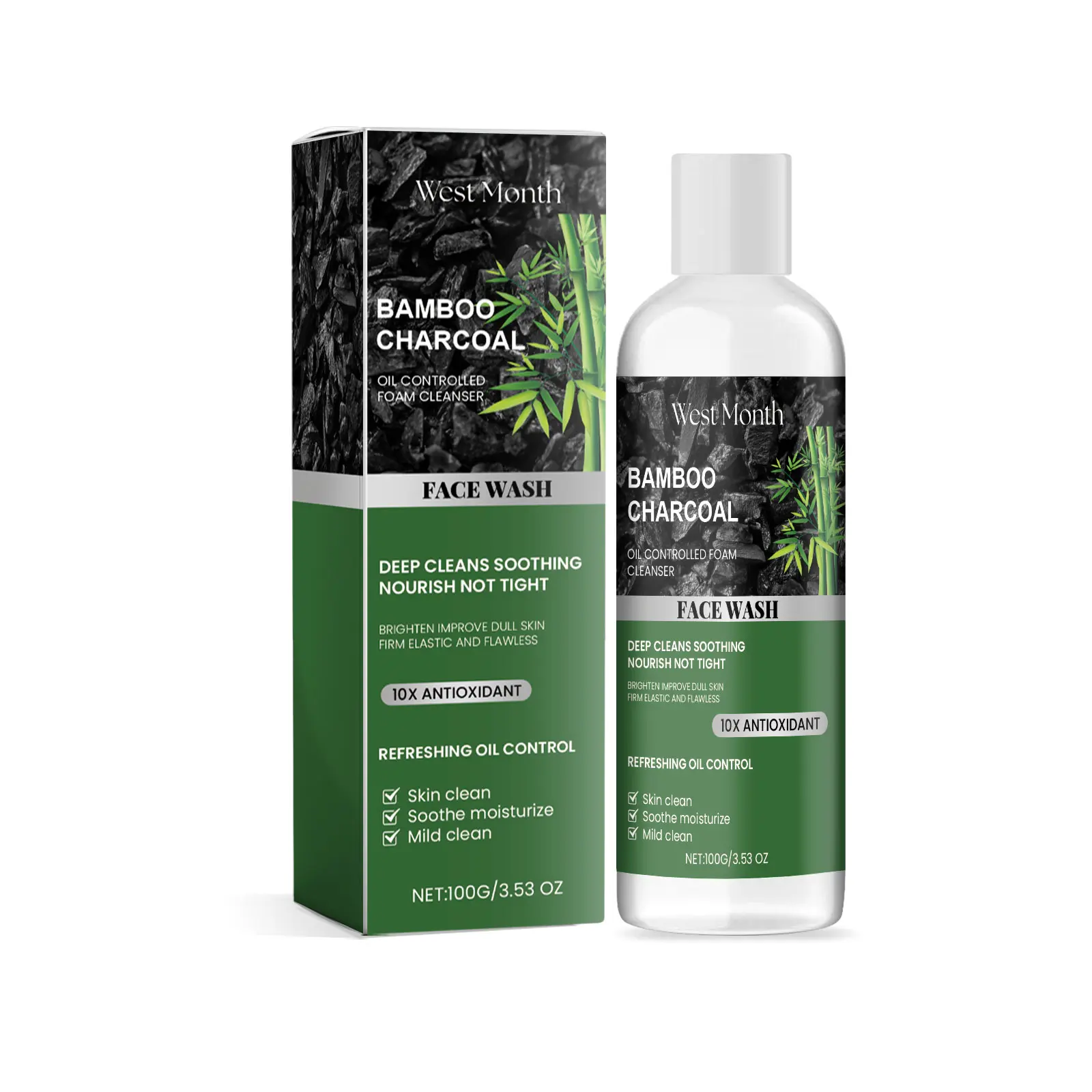
Looking at the West&Month Charcoal Facial Cleanser, we can analyze its formulation strategy. The star ingredient is activated charcoal, positioned to handle the “oil control” aspect by adsorbing excess surface sebum and dirt. The product description wisely pairs this with hydrating and gentle elements, acknowledging that potent cleansers can strip the skin. Two key supporting ingredients stand out: cocamidopropyl betaine and tocopherol.
Cocamidopropyl betaine is a mild, surfactant derived from coconut oil. It’s responsible for creating the lather and helping to wash away the charcoal and the impurities it has bound. Using a gentle surfactant like this is a smart move, as it helps prevent the tight, dry feeling a harsh cleanser might cause after using an adsorbent like charcoal. The second ingredient, tocopherol, is a form of Vitamin E. Tocopherol acetate, a common esterified form, acts as an antioxidant and skin-conditioning agent. Its inclusion addresses the “moisturizing” claim, aiming to counteract potential dryness and provide antioxidant protection against environmental stressors that the charcoal might have pulled to the skin’s surface.
This formulation creates a balanced approach: the charcoal and surfactant clean, while the tocopherol helps maintain skin comfort. It’s a rinse-off product, which is the appropriate vehicle for charcoal. Its benefits are delivered during the brief cleansing period, after which it’s completely removed.
Who Should (and Shouldn’t) Use It
This type of cleanser is best suited for specific skin types and concerns. If you have oily, combination, or acne-prone skin that feels congested, a charcoal cleanser can be a useful tool. It can provide a sense of deep cleaning, especially after wearing makeup or sunscreen, or for those living in urban, polluted environments. It’s excellent for occasional use—perhaps a few times a week—to manage shine without daily aggression.
People with dry, sensitive, or mature skin should proceed with caution. The adsorptive property of charcoal is not selective; it can potentially bind to some of the skin’s natural lipids along with dirt and oil. For skin that already lacks oil, this can lead to over-cleansing, barrier disruption, and increased irritation. If you have these skin types but are curious, use it very infrequently, perhaps as a once-weekly detox, and monitor your skin’s response closely.
It’s also vital to consider what other active ingredients you’re using. If your routine includes potent actives like retinoids (e.g., retinyl palmitate) or high concentrations of acids (like glycolic or salicylic acid), adding a daily charcoal cleanser might push your skin into irritation territory. In this case, use the charcoal cleanser as a morning product or on nights when you aren’t applying your actives.
The Bottom Line
Activated charcoal is not a magical cure-all, but it is a scientifically valid cleansing agent with a specific job: to adsorb. The West&Month Charcoal Facial Cleanser presents a considered formulation that pairs this adsorptive power with gentle cleansing and a touch of antioxidant conditioning. It will likely provide a thorough, satisfying clean for those struggling with excess oil and congestion.
Its limitations are inherent to the ingredient and the rinse-off format. Don’t expect it to permanently shrink pores or fundamentally change your skin’s oil production over time. Its effects are immediate and superficial in the best sense—it cleans the surface effectively. Think of it as a high-performance vacuum for your face, not a renovation. Used strategically within a balanced routine, it can be a valuable player for achieving that refreshed, clean-slate feeling without compromising skin comfort.

