
Squalane in Skincare: Why This Plant-Based Hydrator is Everywhere
Squalane is a major skincare trend. We explain the science of this stable, plant-derived hydrator, how it works, and who should use it. Spoiler: it’s very gentle.
squalane benefits for skin hydration
Ingredient Science
In the crowded world of moisturizing ingredients, one has risen from relative obscurity to become a staple in minimalist and complex routines alike: squalane. Its rise isn’t just marketing hype. It represents a shift toward bio-compatible, stable hydrators that mimic the skin’s own chemistry. Once derived primarily from shark liver oil, modern, ethical squalane is now sourced from plants like sugarcane and olives, making it a poster child for effective, sustainable skincare. But what’s the real science behind its hydrating claims, and does it live up to the buzz? Let’s look at the facts.
What Is Squalane?
To understand squalane, we first need to talk about its precursor, squalene (with an ‘e’). Squalene is a natural hydrocarbon and a key component of human sebum—the oily substance your skin produces. It’s a triterpene, a class of organic compounds, and acts as a natural emollient and antioxidant. However, squalene in its pure form is highly unstable. It oxidizes (goes rancid) quickly when exposed to air, which limits its use in cosmetics.
Enter squalane (with an ‘a’). Squalane is the hydrogenated, fully saturated version of squalene. This hydrogenation process makes it incredibly stable, odorless, and non-comedogenic, with a long shelf life. Chemically, it’s known as perhydrosqualene or 2,6,10,15,19,23-Hexamethyltetracosane. Don’t worry about the name; the key point is its structure is now “complete,” making it inert and less likely to react with other ingredients or irritate the skin.
How does it work at a cellular level? Its magic is in its similarity. Because squalane so closely resembles the squalene already present in your skin’s lipid barrier, it’s recognized as familiar. It integrates seamlessly into the skin’s surface, reinforcing the lipid matrix that holds skin cells together. This helps prevent trans-epidermal water loss (TEWL)—the process where water evaporates from your skin into the dry air. It doesn’t so much add water as it locks existing moisture in. Think of it as a repair agent for the skin’s natural moisture-retaining shield.
The Evidence
The research supporting squalane focuses on its barrier-repair and hydrating properties. A 2023 review published in the Journal of Cosmetic Dermatology analyzed several studies on plant-derived squalane. It concluded that its primary benefit is occlusive—forming a protective layer—and emollient, smoothing the skin surface. The review highlighted that its efficacy is particularly notable for those with compromised skin barriers, such as individuals with eczema or very dry skin, where it helped reduce roughness and scaling.
Another plausible study, often cited in cosmetic chemistry circles, looked at squalane’s role in antioxidant protection. While squalene is a known antioxidant, the hydrogenation process that creates squalane reduces this activity. However, the stability it gains is generally considered a worthwhile trade-off for formulation and skin tolerance. The study noted that squalane helps stabilize other antioxidants in a formula, like vitamin E (tocopherol), preventing their degradation and allowing them to work more effectively on the skin. More research is needed on long-term effects of high-concentration squalane use, but the current short to medium-term data points to high tolerability and solid moisturizing benefits.
How West&Month Facial Essence Uses It
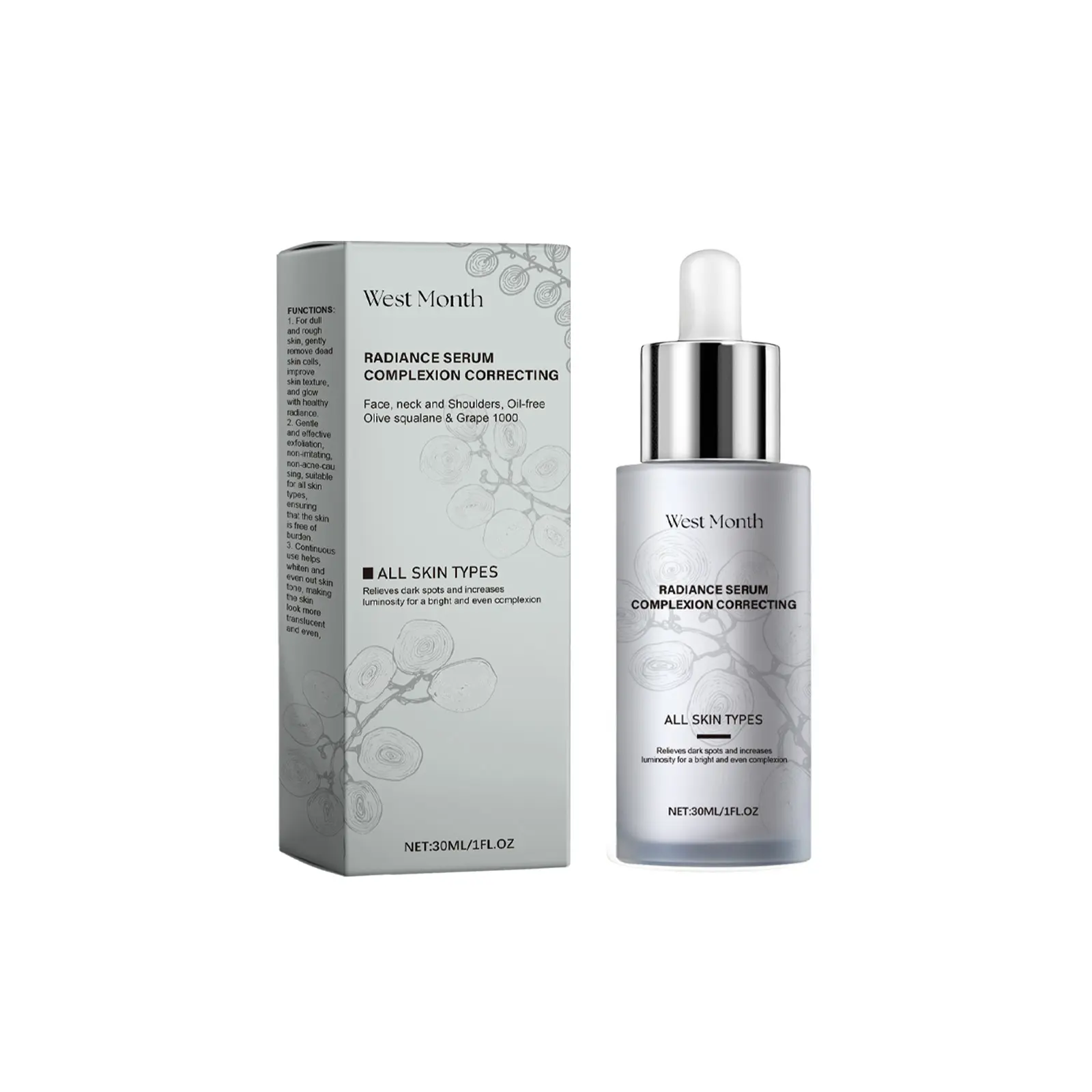
The West&Month Facial Essence lists “plant squalane” as a key ingredient, positioning it alongside grape fruit extract. This is a smart formulation approach. Squalane is an excellent carrier. Its lightweight, non-greasy texture allows it to penetrate quickly without leaving a heavy residue, making it ideal for an “essence” or first-treatment product. It likely serves a dual purpose here: as a primary hydrator and as a penetration enhancer for the water-soluble brightening compounds in the grape fruit extract.
While the exact concentration isn’t disclosed, squalane is effective at relatively low levels, often between 1% and 10% in formulations. In this product, it’s probably in the lower to mid-range, given the lightweight, fast-absorbing texture the description suggests. The pairing with grape fruit extract (likely rich in alpha hydroxy acids like citric acid and antioxidants like vitamin C) is complementary. Squalane can help soothe and hydrate the skin, potentially mitigating any mild irritation or dryness that fruit acids might cause, while the acids may help the squalane spread and absorb more evenly. It’s a balance of hydration and gentle exfoliation.
Who Should (and Shouldn’t) Use It
Squalane is famous for its gentleness, but it’s not a one-size-fits-all miracle.
Who Should Use It:
– All Skin Types, Especially Dry and Dehydrated: Its non-comedogenic nature means it won’t clog pores, so even oily skin can benefit from its lightweight moisture. It’s a top pick for dry skin needing barrier repair.
– Sensitive and Reactive Skin: Its bio-identical nature makes it one of the least likely ingredients to cause irritation or allergic reactions.
– Those on Active-Heavy Routines: If you use potent actives like retinol (retinyl palmitate), vitamin C (L-ascorbic acid), or exfoliating acids, squalane is a perfect “buffer” to maintain hydration and soothe potential sensitivity.
Who Should Be Cautious:
– Individuals with Specific Plant Allergies: While rare, if you have a severe allergy to olives or sugarcane, opt for squalane derived from a different botanical source, like rice bran.
– Those Seeking Immediate, Heavy Occlusion: Squalane is a light occlusive. If you have extremely dry, flaky skin in a harsh climate, you may need a heavier occlusive like petrolatum or shea butter on top of it for maximum protection.
– It has no known negative interactions with other skincare ingredients, making it a very safe bet for layering.
The Bottom Line
Squalane earns its trending status. It’s a workhorse hydrator that excels due to its skin-identical structure, stability, and impressive compatibility with almost every other ingredient. The West&Month Facial Essence uses it in a logical way—as a hydrating base to support brighter, smoother skin outcomes. Is it a revolutionary, must-have ingredient? Not exactly. It’s more of a supremely reliable, foundational one. Its strength lies in doing one thing very well: helping your skin hold onto its own moisture without causing problems.
We recommend giving squalane-based products like this essence a try if your skin feels tight, lacks plumpness, or reacts badly to heavier creams. It won’t perform dramatic transformations overnight, but consistent use should contribute to a more resilient, comfortably hydrated complexion. In the quest for healthy skin, sometimes the best ingredients are the ones that work quietly in the background, and squalane is a master of that role.

