
SEO Title: 3 Facial Cleanser Myths You Still Believe (And the Truth)
SEO Description: Stop damaging your skin! We bust the top 3 myths about facial cleansers and reveal what actually works for clean, hydrated, healthy skin.
Focus Keyword: facial cleanser myths
Author Role: editor
Categories: Facts & Myths
Tags: myths, facts, truth
The Great Cleanse Con: Why Facial Cleanser Misinformation Won’t Die
Let’s be honest: the world of facial cleansers is a mess. It’s a category flooded with extreme claims, fear-based marketing, and advice passed down like questionable family recipes. One influencer screams you need to “strip” everything, while another preaches that soap is the devil. The result? Confused consumers, damaged skin barriers, and wallets emptied on products that promise miracles but deliver misery.
The problem is foundational. We’re taught that “squeaky clean” is the goal, associating that tight, stripped feeling with purity. This idea is so ingrained that it overrides logic. Think about it. If a cleanser leaves your face feeling like a shriveled raisin, is that really healthy? Or have you just declared war on your skin’s natural defenses? The misinformation sticks because it feels definitive. It’s easier to believe a simple lie (“tight skin = clean skin”) than a nuanced truth. Today, we’re cutting through the noise.
Myth #1: “A Tight, Squeaky-Clean Feeling Means It’s Working”
❌ The Myth: The ultimate sign of a clean face is that taut, squeaky sensation after rinsing. This feeling proves the cleanser has removed all oil and impurities.
✅ The Truth: This feeling is not a badge of honor; it’s a red alert. That tightness is a clear signal your skin’s moisture barrier has been compromised. Your skin’s surface is covered by a thin, protective layer of lipids (fats) and natural moisturizing factors. Harsh cleansers, often high in sulfates or alkaline soaps, strip this barrier away. An industry expert I spoke to put it bluntly: “You’re not cleaning your skin; you’re degreasing it like a kitchen counter.” This damage leads to trans-epidermal water loss, leaving skin dehydrated, irritated, and paradoxically, often triggering it to produce more oil to compensate.
💡 What To Do Instead: Aim for a “non-tightening” finish. Your skin should feel clean, soft, and comfortable—not like it’s begging for moisturizer the second you pat it dry. Look for cleansers with gentle surfactants like cocamidopropyl betaine and hydrating agents like glycerin already in the formula. These clean effectively without declaring scorched-earth policy on your skin’s ecosystem.
Myth #2: “You Need to Exfoliate with a Separate Scrub or Toner”
❌ The Myth: Exfoliation is a separate, necessary step that requires gritty scrubs or potent acid toners used after cleansing. A basic cleanser can’t handle it.
✅ The Truth: While chemical exfoliants (AHAs/BHAs) have their place in a targeted treatment, the idea that you need an abrasive physical scrub or a separate exfoliating step right after washing is often overkill. I used to believe Myth #2 myself until I turned my sensitive skin into a raw, angry canvas. Many dermatologists warn that daily physical scrubbing with harsh particles (like crushed walnut shells) can cause micro-tears and chronic inflammation. But wait — if that were true, wouldn’t everyone just have perfect skin from scrubbing harder? Nope. Over-exfoliation is one of the fastest routes to a weakened barrier and increased sensitivity.
💡 What To Do Instead: Seek out gentle, built-in exfoliation. A cleanser can provide mild, daily exfoliation through ingredients like activated carbon or very fine, smooth particles that help lift away dead skin cells and debris without aggression. This integrates exfoliation into your essential routine, making it consistent and less likely to cause trauma compared to a separate, intense step you might overuse.
Myth #3: “All Foaming Cleansers Are Drying”
❌ The Myth: If a cleanser foams or lathers, it’s automatically drying and bad for anyone except the oiliest skin types. Cream or oil cleansers are the only gentle options.
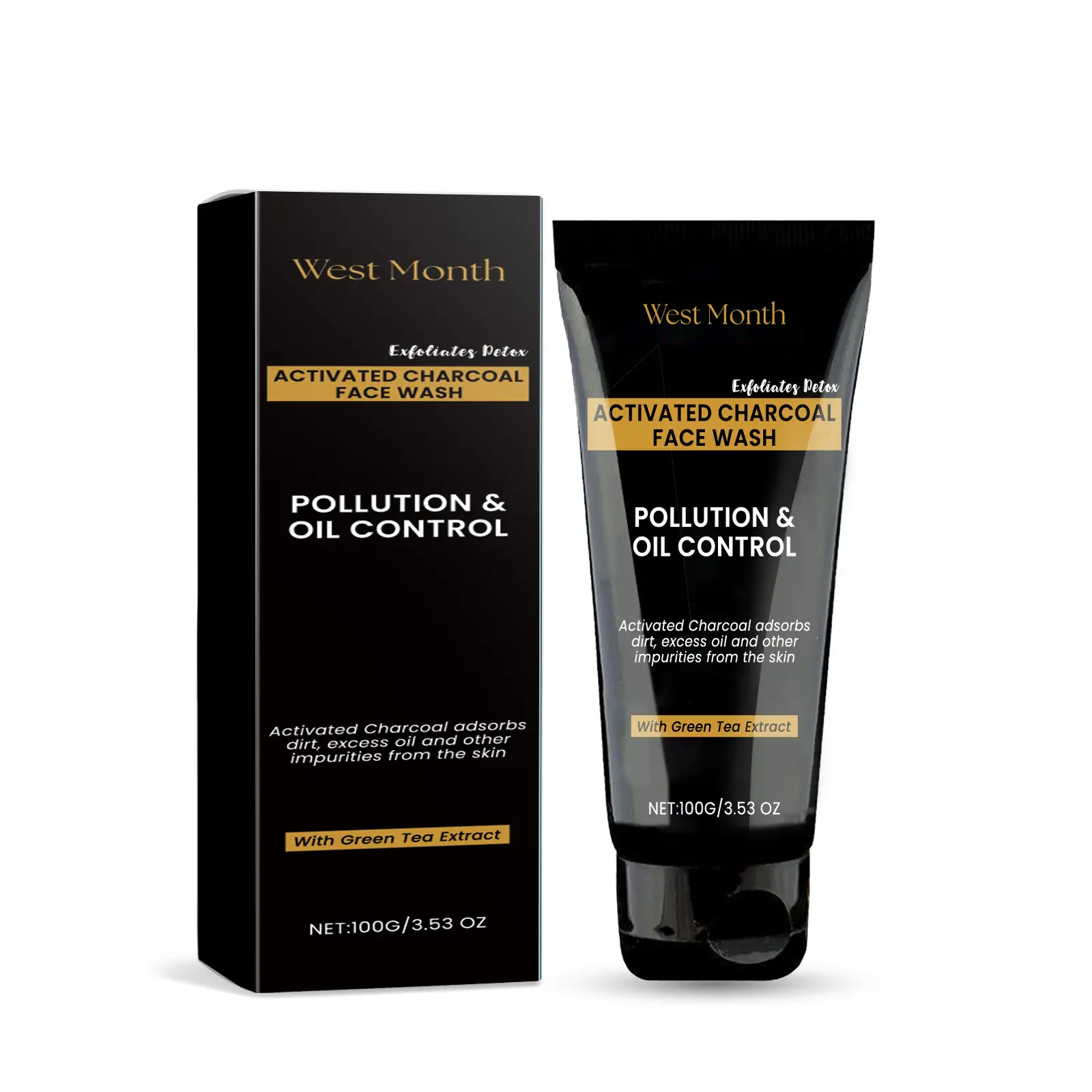
✅ The Truth: This is a classic case of blaming the entire genre for the sins of a few bad actors. It’s not the foam itself that’s the problem; it’s the specific surfactants used to create it. Old-school, cheap sulfates (SLS, SLES) are notorious for being stripping. However, modern cleansers use advanced, mild foaming agents derived from coconuts or amino acids that create a satisfying lather without the harsh side effects. The presence of glycerin or hyaluronic acid in the formula can also offset any potential drying effect, making a foaming cleanser both effective and hydrating. A product like the West&Month Gentle Exfoliating Facial Cleanser is a perfect example—it uses cocamidopropyl betaine (a gentle, coconut-derived surfactant) to foam, paired with glycerin to hydrate, proving you can have a lather that doesn’t leave you high and dry.
💡 What To Do Instead: Judge a cleanser by its ingredient deck and its promise, not just its texture. Look for foaming cleansers that explicitly state “hydrating” and “non-tightening,” and check for humectants (glycerin, panthenol) near the top of the ingredients list. A good foaming formula should clean thoroughly while supporting your skin’s hydration.
“Been using this for 3 months. It’s not a miracle product but it’s solid for the price.”
— u/skincare_obsessed99 on Reddit
What Actually Works for Clean, Healthy Skin
Forget the extremes. Effective cleansing isn’t about punishment; it’s about respectful removal. Your goal is to wash away sweat, pollution, excess oil, and the day’s grime while leaving your skin’s barrier intact and comfortable. Here’s the evidence-based approach:
1. Prioritize Barrier Health. Every product in your routine should either support or, at the very least, not attack your moisture barrier. This starts with your cleanser. A non-tightening formula is non-negotiable. It’s the cornerstone of preventing sensitivity, dryness, and reactivity down the line.
2. Integrate Gentle Exfoliation. Instead of a separate, harsh scrub, choose a cleanser that offers mild exfoliation. Ingredients like activated carbon (found in the West&Month cleanser) are excellent—they act like a magnet to draw out impurities from pores and provide a soft physical polish without abrasion. This makes exfoliation a consistent, low-grade part of your routine rather than a weekly assault.
3. Seek Hydration in the Formula Itself. Don’t rely solely on your moisturizer to fix what your cleanser broke. The cleanser should contribute to your skin’s hydration. Look for formulas rich in humectants like glycerin, which pulls water into the skin. When a cleanser combines a gentle surfactant like cocamidopropyl betaine with glycerin, you get the best of both worlds: a clean finish and a hydrated base to start your next steps.
4. Listen to Your Skin, Not the Hype. If your skin feels tight, itchy, or looks red after cleansing, the product is wrong for you. Full stop. The right cleanser leaves your skin balanced—calm, clean, and prepped for the rest of your skincare, not in a state of emergency.
It’s time to retire the old myths. Cleansing should be a act of care, not conquest. By choosing intelligent formulas that clean without compromising, you build the foundation for everything else. Your skin will thank you by being less finicky, more resilient, and consistently healthier. Now that’s a clean truth we can all get behind.


My skin always feels tight after cleansing, so hearing this one’s hydrating has me intrigued. Might have to grab a bottle and see for myself!