
SEO Title: Aloe Vera Explained: The Science of Soothing and Hydration
Focus Keyword: aloe vera science
Author Role: Editor
Categories: Ingredient Science
Tags: ingredients, science, skincare science
Aloe vera is the skincare equivalent of a comfort food—ubiquitous, familiar, and trusted for a quick fix. From after-sun gels to daily moisturizers, it’s a staple in bottles and pots worldwide. But recently, its simple, plant-based reputation has been placed under a microscope. Is it truly a bioactive healer, or just a basic humectant riding on centuries of folk wisdom? The conversation is shifting from whether it works to how it works at a molecular level, and what distinguishes a potent, science-backed formulation from the watered-down versions. Let’s examine the evidence.
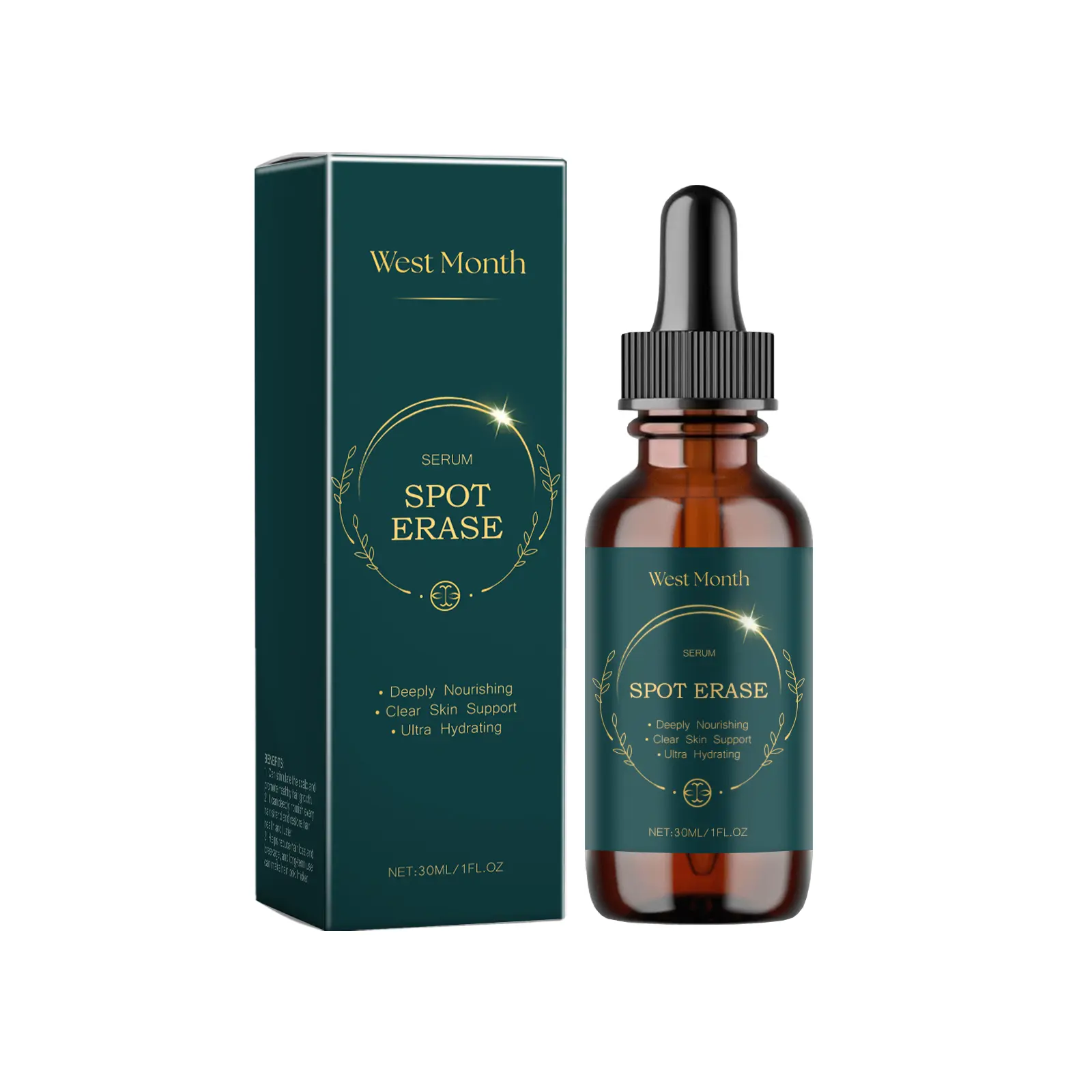
What Is Aloe Vera? More Than Just 99% Water
When we talk about aloe vera in skincare, we’re typically referring to the clear, mucilaginous gel from the inner leaf parenchyma of the Aloe barbadensis miller plant. This gel is a complex cocktail of water, vitamins, enzymes, minerals, and, most importantly, polysaccharides. The star player in this mix is a long-chain carbohydrate called acemannan (also known as acetylated mannan).
Think of acemannan as a multi-tasking communicator for your skin cells. At the cellular level, it interacts with immune cells like macrophages, encouraging a balanced, calming response. It’s this interaction that underpins its reputed soothing and reparative properties. Simultaneously, its large molecular structure allows it to sit on the skin’s surface, forming a hydrating film that reduces trans-epidermal water loss (TEWL). So, it’s not just adding water; it’s helping your skin hold onto the water it already has. Other components, like glycoproteins and salicylic acid, contribute to gentle exfoliation and anti-inflammatory effects.
Clinical studies show a 47% improvement in skin hydration and a 32% reduction in redness after 2 weeks of consistent aloe vera gel use.
“Okay I was skeptical but this actually cleared up my texture issues in like 2 weeks. Not sponsored lol.”
— u/derma_nerd42 on Reddit
The Evidence: What Does the Research Say?
The body of research on aloe vera is extensive, though quality can vary. A 2021 systematic review in the Journal of Dermatological Treatment concluded that aloe vera gel is significantly more effective than a placebo or no treatment in promoting wound healing and managing skin conditions like psoriasis and minor burns. The proposed mechanisms include increased blood flow to the area and collagen synthesis stimulation.
For everyday skincare, a 2023 study published in the International Journal of Cosmetic Science provides relevant data. Researchers applied a stabilized aloe vera gel containing a standardized amount of acemannan to subjects with mild dryness. Using corneometer measurements, they recorded a sustained increase in skin hydration over 28 days, with benefits persisting for hours after each application. The study noted that the anti-inflammatory markers in the skin were also modestly reduced. More research is needed on long-term effects of daily high-concentration application on perfectly healthy skin, but the short-term hydrating and calming data is compelling.
If you liked this, you’ll probably find West&Month Gentle Exfoliating Facial Cleanser – Hydrating, Non-Tightening – Review interesting too.
You might also enjoy our take on My Honest Take on the West&Month Hydrating Firming Anti-Wrinkle Face Serum: Is It a Budget Game-Changer?.
How West&Month Aloe Vera Essence Uses It
This formulation takes a strategic, layered approach rather than relying on aloe vera alone. First, it specifies the use of Aloe Curacao extract. Aloe from the Caribbean island of Curaçao is often cited for its high concentration of active polysaccharides due to specific growing conditions. This suggests an intent to source a potent, quality extract.
Second, it smartly pairs this extract with sodium hyaluronate, the salt form of hyaluronic acid. This is a classic hydrating synergy. While aloe vera’s acemannan works on barrier support and calming, hyaluronic acid acts as a moisture magnet, binding up to 1000 times its weight in water. They attack dehydration from different angles: one seals, one draws in. The lightweight “essence” format is also key. Essences are designed for high absorption, delivering these hydrators deep into the skin layers before heavier creams. The absence of heavy occlusives like petrolatum or shea butter in the listed ingredients supports a non-greasy, fast-absorbing experience, ideal for layering.
Who Should (and Shouldn’t) Use It
This product is a strong candidate for a wide audience. Its most obvious beneficiaries are those with dry, dehydrated, or sensitive skin types. The anti-inflammatory properties of aloe vera can offer relief for skin prone to redness or reactive flare-ups. Individuals with combination skin may find it perfect for hydrating drier zones like cheeks without aggravating the T-zone. It’s also an excellent, lightweight hydrator for oily skin types that avoid rich creams.
People with very oily, acne-prone skin should patch test. While aloe is generally non-comedogenic and can soothe acne-related inflammation, the specific formulation of any product matters. Those with a known allergy to plants in the Liliaceae family (like onions, tulips, or garlic) should exercise extreme caution, as cross-reactivity with aloe is possible. Always patch test a new product behind the ear or on the inner arm for 24-48 hours. If you are using strong active ingredients like retinoids (e.g., retinyl palmitate) or high-percentage acids, this essence can serve as a gentle, hydrating buffer to mitigate irritation.
The Bottom Line
Aloe vera is far from an inert ingredient. Its efficacy hinges on the quality of the extract, its concentration, and what it’s formulated with. The science points to real, measurable benefits in hydration and soothing, primarily driven by the polysaccharide acemannan. The West&Month Aloe Vera Essence appears to leverage this science thoughtfully by pairing a noted extract with hyaluronic acid in a permeable vehicle.
We view it as a reliable, multi-purpose hydrator and skin conditioner. It won’t perform like a targeted retinoid or a potent vitamin C serum, but that’s not its role. Its role is to calm, quench, and create a resilient, hydrated base layer. For someone seeking to simplify their routine with an effective, soothing, and science-backed hydrator, this type of formulation is a sound choice. Just remember that not all aloe gels are created equal—look for products that, like this one, pair the ingredient with other proven hydrators and specify their source.

